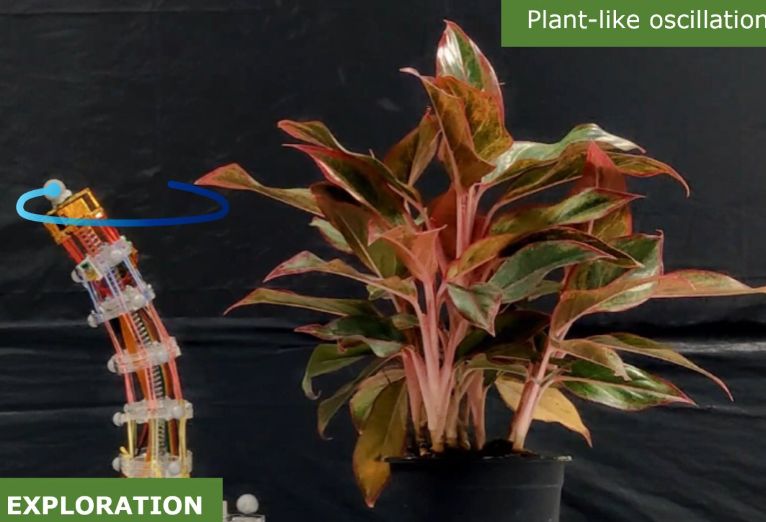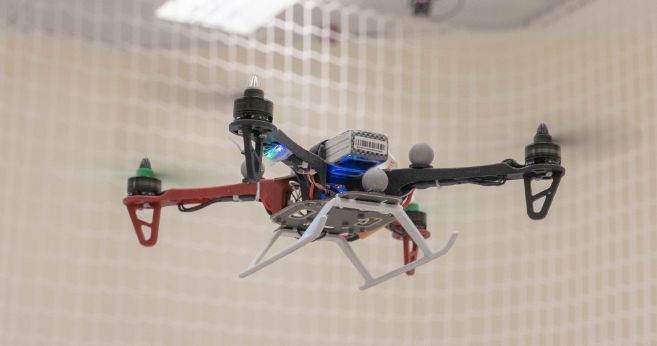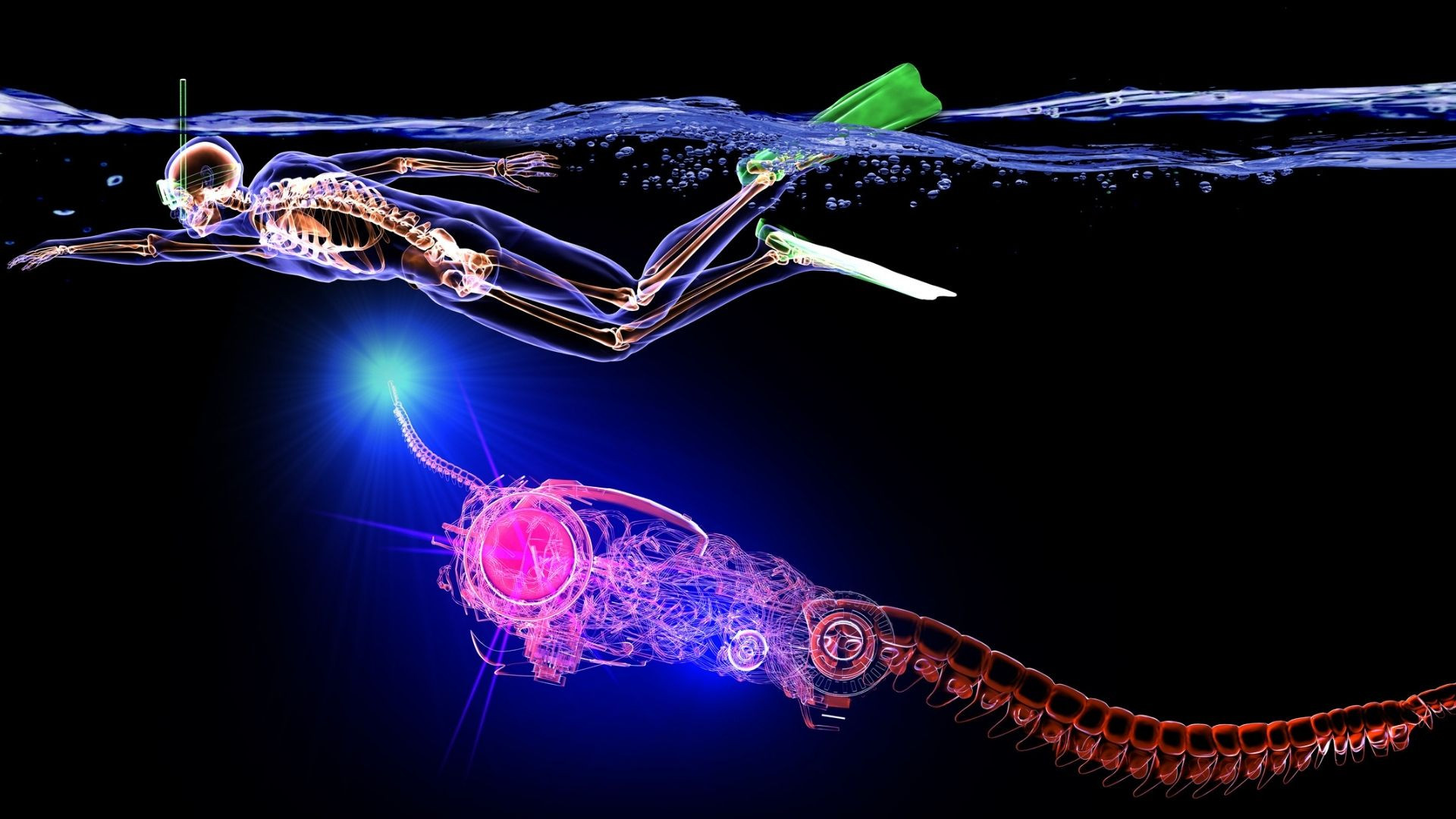
Biomimicry is the practice of imitating biological systems and processes. So far, it has been a valuable approach in robotics. By copying animals’ designs, engineers have tried to replicate billions of years of evolution. It has resulted in highly efficient and adaptable designs that nature has already passed on to. For instance, energy-efficient walking patterns inspired by animal gaits or bio inspired vision systems or lizard inspired four-legged robot.
Search Results for: autonomous
Book Review: What Is Life? with Mind and Matter by Erwin Schrödinger (II/II)
In this post, we will be covering the second segment of Schrödinger’s famous book, What Is Life? with Mind and Matter. We have already talked about the first portion – What Is Life? Now, here, we will be focusing on Mind and Matter. (If you haven’t read, I’d recommend to go through the previous post – What Is Life? by Erwin Schrödinger. It will help in better understanding of his ideas. Thanks 🙂 In this series of the lectures, Schrödinger has tried to blend physics, evolutionary theory, and philosophy.
Real-time Neural MPC: Deep Learning & Model Predictive Control Framework
Model predictive control (MPC) is a powerful technique that has gained popularity in recent years for controlling the movements of robotic agents. It involves using a model of the agent’s dynamics to predict its future behaviour. Followed by optimization of this behaviour to achieve a desired goal while also satisfying a set of constraints. MPC algorithms are capable of handling complex scenarios and can consider various factors such as the agent’s physical constraints, environmental conditions, and the dynamics of other objects in the environment. This makes MPC a popular choice…
Butterfly Robots with Bistable Wings: Biomimicry
In an effort to create faster and more energy-efficient soft robots, researchers at North Carolina State University have created a prototype of swimming soft robots based on manta rays. The team got inspired from the biomechanics of the marine animal. Rate of swimming for most of the (swimming) soft robot is one body length per second, manta rays, however, glide at much faster rate. Their swimming efficiency triggered the scientists to look into the potentiality of creating a similar robot, biomechanically.
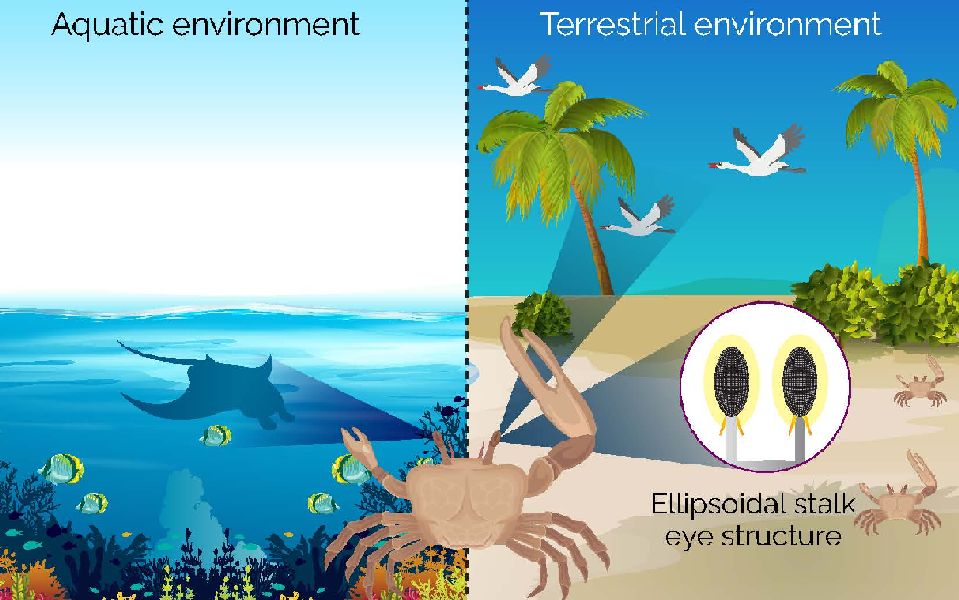
Crab Inspired all weather Vision System: Biomimicry
To improve the imaging component in robotics, researchers have been trying to create various types of highly performing cameras, sensors and artificial vision systems. Most of the vision systems are bio-inspired that is, they have been emulated from the systems and elements of nature including humans, animals, insects and fish. These systems, however, have their own restrictions because they operate in limited environment respectively. For instance, majority of (bio-inspired) existing sensors and cameras works either one of the following scenarios: on the ground like biomimetic eye with a hemispherical…
Insect sized Flying Robot with Flapping Wings: Micro air Vehicle
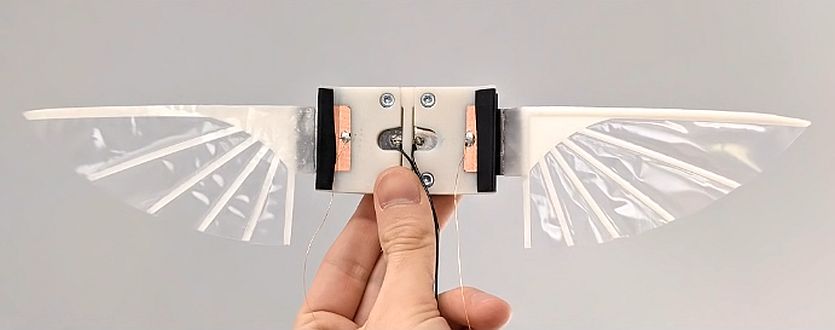
Researchers at the University of Bristol, U.K. have fabricated a flapping-wing microrobot that can produce more power than a similar-sized insect. The micro-air vehicle is a product of biomimicry, inspired from bees and other flying insects.
Wireless RF Powered Insect Scale Aerial Vehicle: Miniature UAV
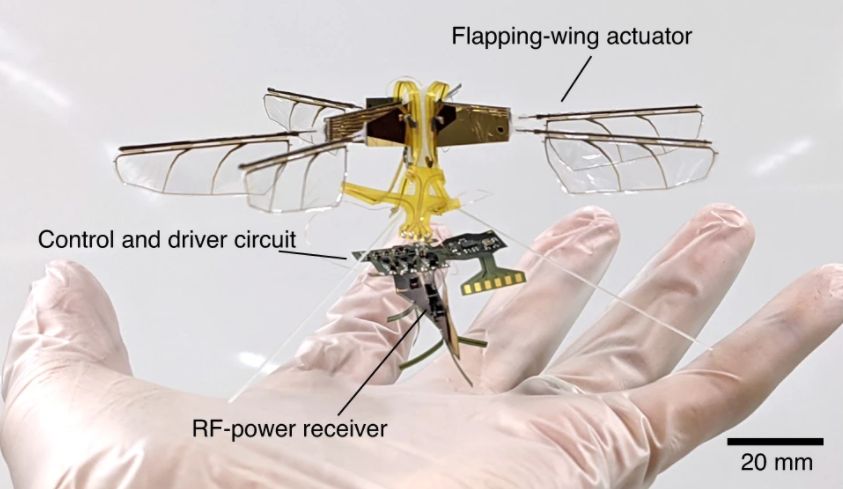
Researchers at Toyota Central R&D Labs have developed a wireless radiofrequency power based tiny aerial robot.
Surface Optics & Neural Based Processing: MetaOptics
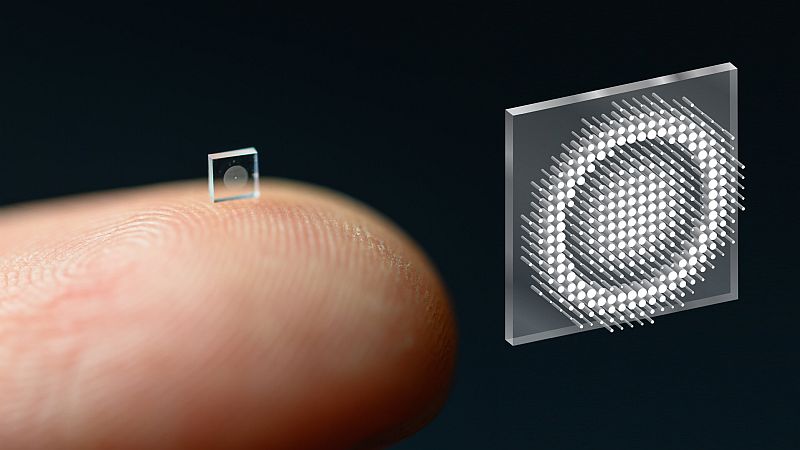
An international team of researchers at Princeton University and the University of Washington has developed a micro-sized camera to the size of a salt grain.
Biomimicry: LEONARDO, the Bipedal Robot can Walk and Fly
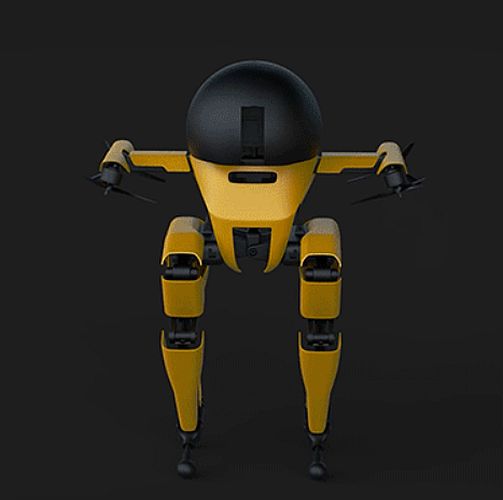
Nature not only inspire poets, artists, painters but also engineers. In an attempt to simulate the locomotion of birds, researchers at Caltech have developed a bipedal robot that has a movement that is between walking and flying.
Interview: Dr. Guido de Croon, Professor at Delft University of Technology Netherlands
Dr. Guido de Croon is a Full Professor at Delft University of Technology Netherlands. Dr. Croon’s research interests focus on the bio-inspired robotics, micro air vehicles, vision-based navigation and swarm robotics.
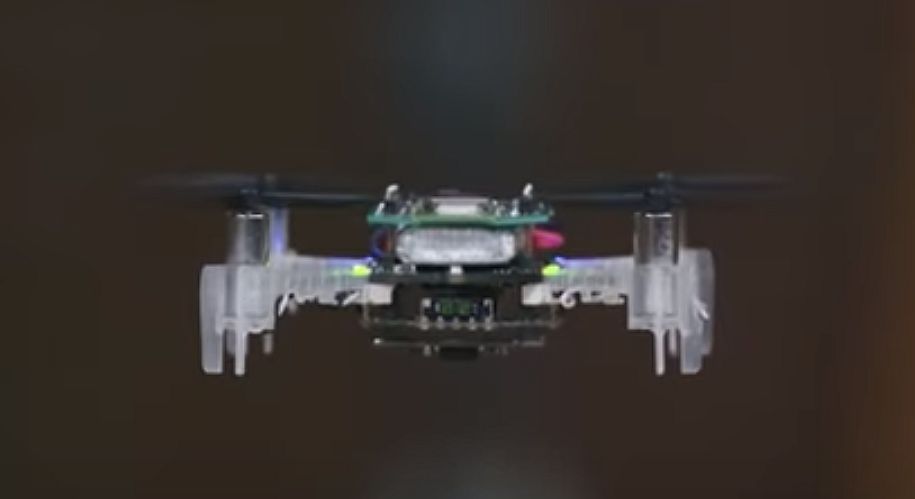
Fruitflies Inspired Tiny Drones To Locate Gas Leak Source: Biomimicry
Biomimicry is not only shaping sustainable designs but it’s also revolutionizing the robotic technology. Researchers today are picking up learning from animal and insect kingdom to develop locomotion and structures in their labs.
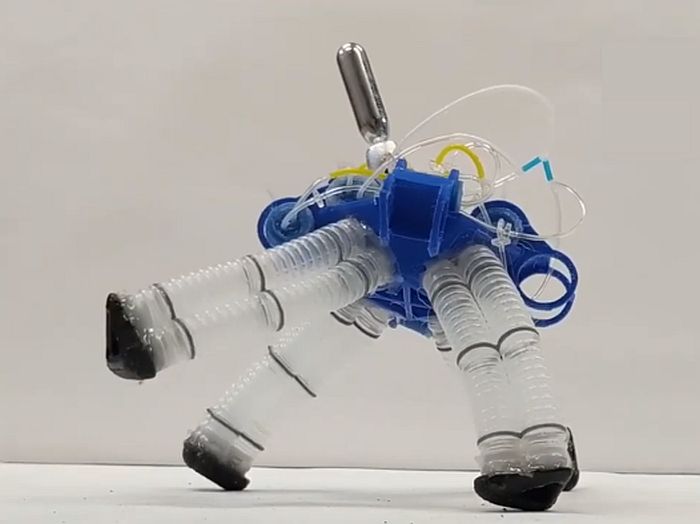
Electronics Free Quadrupedal Robot: Pneumatic Efficiency
Researchers at the University of California San Diego have come up with an innovative approach in creating soft bot that is devoid of any electronics. Rather it is an air powered robot. All its controls and locomotion are done with the help of pressurized air.
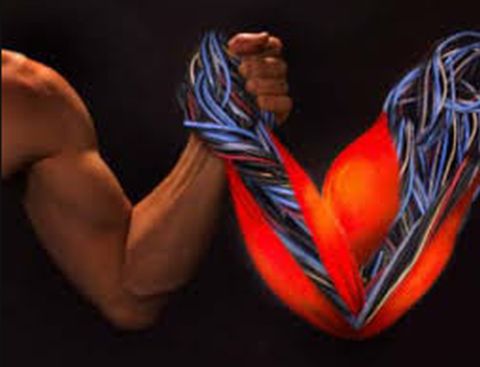
Super Strong Artificial Muscles: Interactive Soft Robotics
An Italian team of researchers lead by Prof. Marco Fontana, in collaboration with the departments of Industrial Engineering of the Universities of Trento and Bologna, have created an Electrostatic Bellow Muscle (EBM) to fabricate efficient small-scale robots. The innovative robotic muscle has potential of powering itself for a long period of time beyond its preliminary charge.
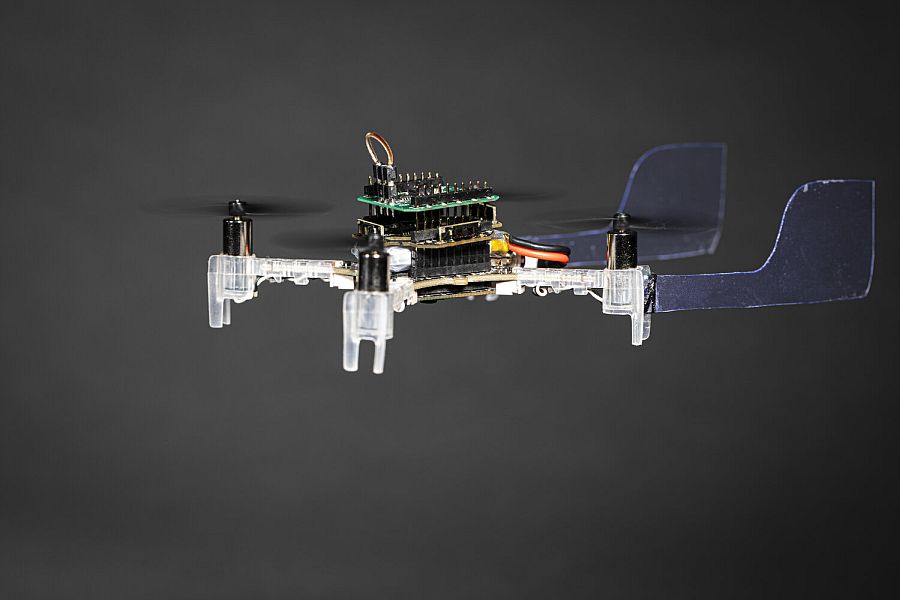
Smellicopter uses Antennae from Anesthetized Moths: Biomimicry
We as humans have a huge legacy of evolution yet we always fall short in front of nature. Nature has its own rate of progression and it never fails.
Interview: John A Frye, Principal Designer, Digital Modeling and Visualization Group Leader at Honda R&D Americas
Meet John A. Frye, a heavy-duty industrial designer for alternate realities from California, United States. We are fortunate enough that even in spite of his hectic schedule, John was able to squeeze in some time for this interview.