Interview: Robert Cheek, Head of Business Dev at UVify, San Jose, CA

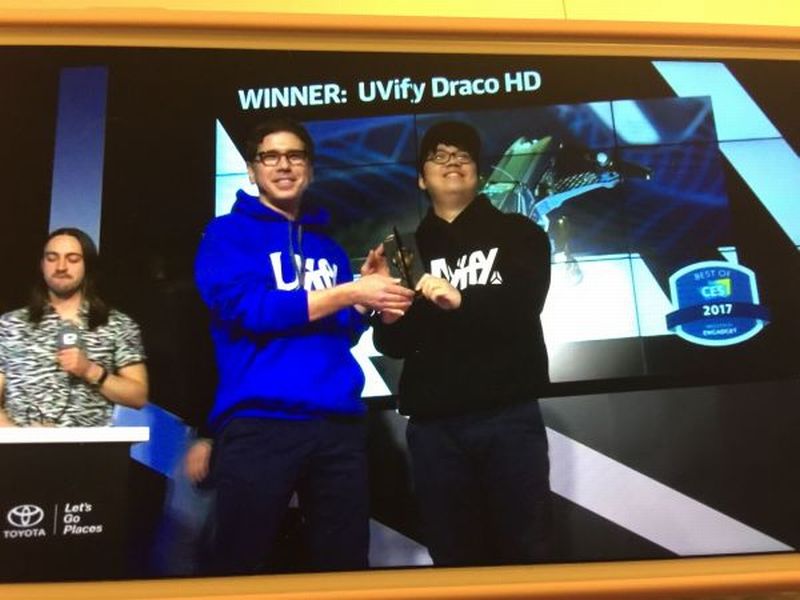
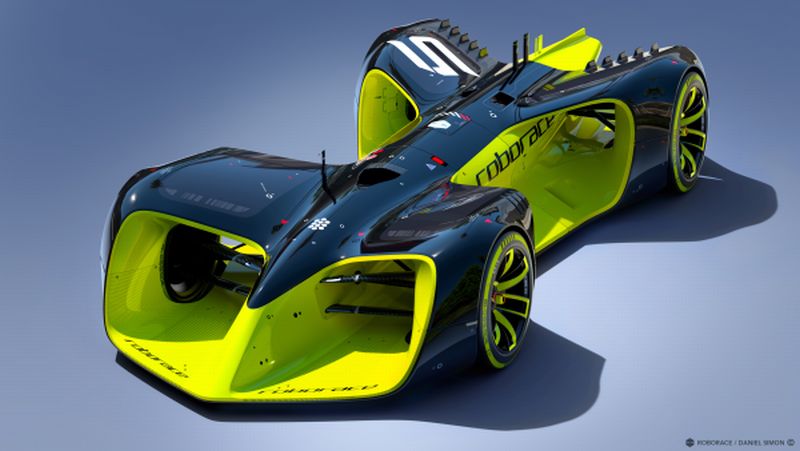
Recently, we got the pleasure of having a virtual meet up with Drone and AI startup UVify’s, Head of Business Development, Robert Cheek. UVify’s new Draco drone was the main attraction at CES 2017. The startup has developed technologies that can provide drone racing to general public. For those who are interested, Draco is currently up for pre-order, at $499. Shipping is expected to start by the next quarter.

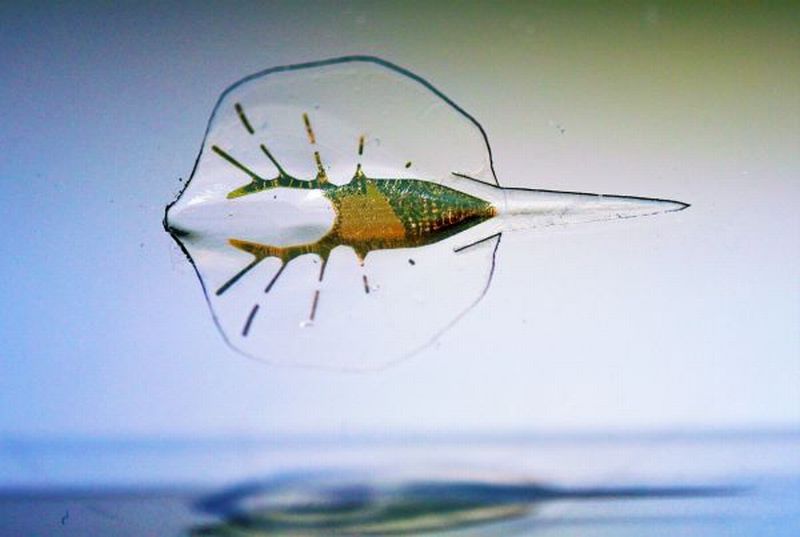
Muscles Powered Biohybrid Devices: Robotics with Tissue Engineering

Let’s picture the word, “Robot”, immediately, we get a glimpse of self operating machines, with nuts-and-bolts as building blocks. These machines are permeating all sections of our society. Machine human relationship has crossed the realms of science fiction. In fact, machine learning has become one of the most interesting and sought-after science, sprouting artificial intelligence (AI).

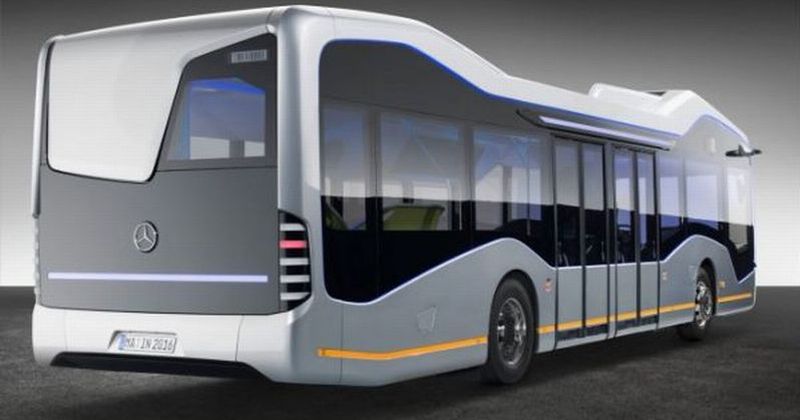
Mercedes-Benz unveils Driverless Bus: Future of Public Transport

Future Bus is the new city bus coming straight from the vault of Mercedes-Benz. Unlike its previous autonomous semi-truck Actros that was targeted only for highways, CityPilot ridden technology bus is developed especially for an urban market. The German automaker has demonstrated that its self-driven bus is proficient enough of maneuvering through an urban environment stretching across a distance of 12-miles. It’s been nearly a decade since Mercedes-Benz has been working on automated driving technologies and the current CityPilot technology too is based on Actros Highway Pilot, the autonomous technology…

Head-up Display for Passenger Vehicles: In-car Technology

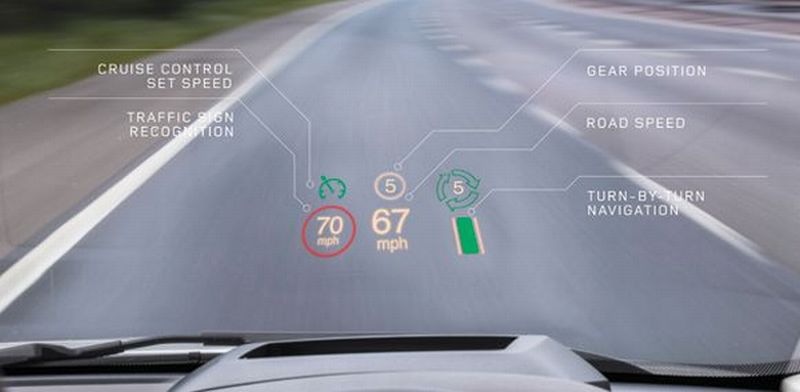
Researchers at Cambridge have unleashed an era of Head-up displays (HUD) using laser holographic techniques. The technology has introduced for the first time into Jaguar Land Rover vehicles. The human machine interface has developed to project data like speed, direction and navigation directly onto the windscreen. It’s an attempt to provide, relevant and real time information to the driver in a non-intrusive way.

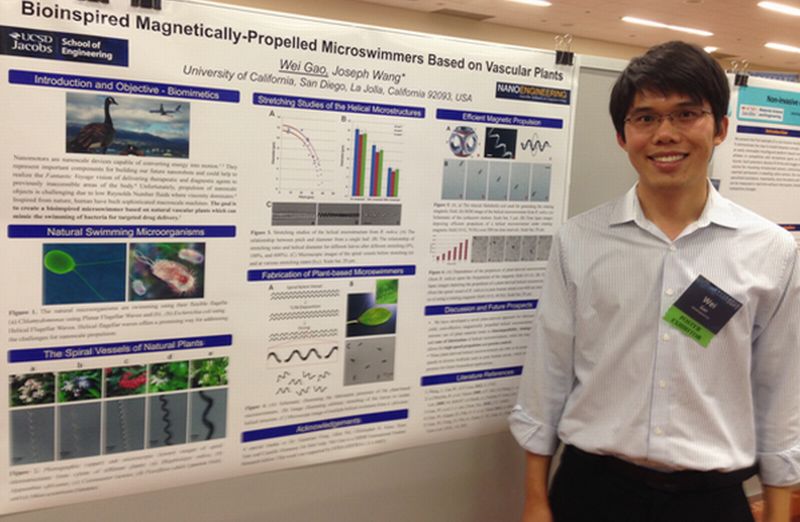
Interview: Wei Gao, Research Scientist at University of California, Berkeley and LBNL

It gives me immense pleasure to introduce today Dr. Wei Gao, research scientist at University of California, Berkeley and Lawrence Berkeley National Laboratory. His research areas include nanomaterials, flexible electronics, micro/nanomachines, nanorobotics, biosensors, electrochemistry, nanomedicine and MEMS. Dr. Gao has coauthored numerous scientific journals like: “Reversible Swarming and Separation of Self-propelled Chemically-Powered Nanomotors under Acoustic Fields” “Artificial Micromotors in the Mouse’s Stomach: A Step Towards In Vivo Use of Synthetic Motors” “Water-Driven Micromotors for Rapid Photocatalytic Degradation of Biological and Chemical Warfare Agents” “Self-propelled activated-carbon Janus micromotors for efficient water…

10 Images of ESA’s IXV Mini-Shuttle: Blasting off in February 2015

ESA’s mini shuttle is all set to launch its flight and reentry mission. With this development, Europe will set strong foundation for innovative technology that would help future reentry missions for astronauts as well as other spatial bodies. The test flight is scheduled to be held on February 11. The entire operation would last for about 100 minutes testing the critical systems using 300 embedded sensors. Following are some of the images of the ESA’s space taxi, as they call it. 1) IXV during integration at Thales Alenia Space 2)…

Hector Robot is the Giant Stick Insect: Biomimicry

Biomechatronics researchers at Bielefeld University, Germany have come up with a bot called Hector that is inspired from stick insect, another invention in the field of biomimicry. The insect bot has six limbs with an ability of functioning independently. The embedded sensors help it in reacting autonomously to its external setting and accordingly assist in learning from experience. Only for research platform Jan Paskarbeit, the developer envisions Hector in areas like testing animal locomotion theories. The bot however, is not designed with an intention of severing humans in areas like…

Biomimicry: Robotic Spy Fish will do the Reconnaissance (ISR) Missions

Boston Engineering in collaboration with the U.S. Navy is developing a ‘tuna fish’, their new unmanned underwater vehicle. Developers envision that the fish would autonomously navigate across the sea for fetching information including surveillance and reconnaissance (ISR) missions. The project has been named Project Silent Nemo that comes from Disney’s famous movie, Finding Nemo, where Nemo was the subject of search but in here, Nemo will do the finding. Swimmer drone   The unmanned underwater vehicle weighs around 100-pound while it’s length is about 5 feet. As a product of…

Automated Valet Parking and Charging for e-Mobility: A Smart Car System

A research conglomerate in Europe is about to finish a futuretech project involving an autonomous car dropping passengers at a railway station and then getting itself parked by identifying an empty spot and later picking up its commuter again. V-Charge is the name of the project that not only helps in commuting, parking but also includes charging up of the automobiles, autonomously. However, the mobility during the entire operation would be slow, so that the sensors may decipher the surrounding accurately.