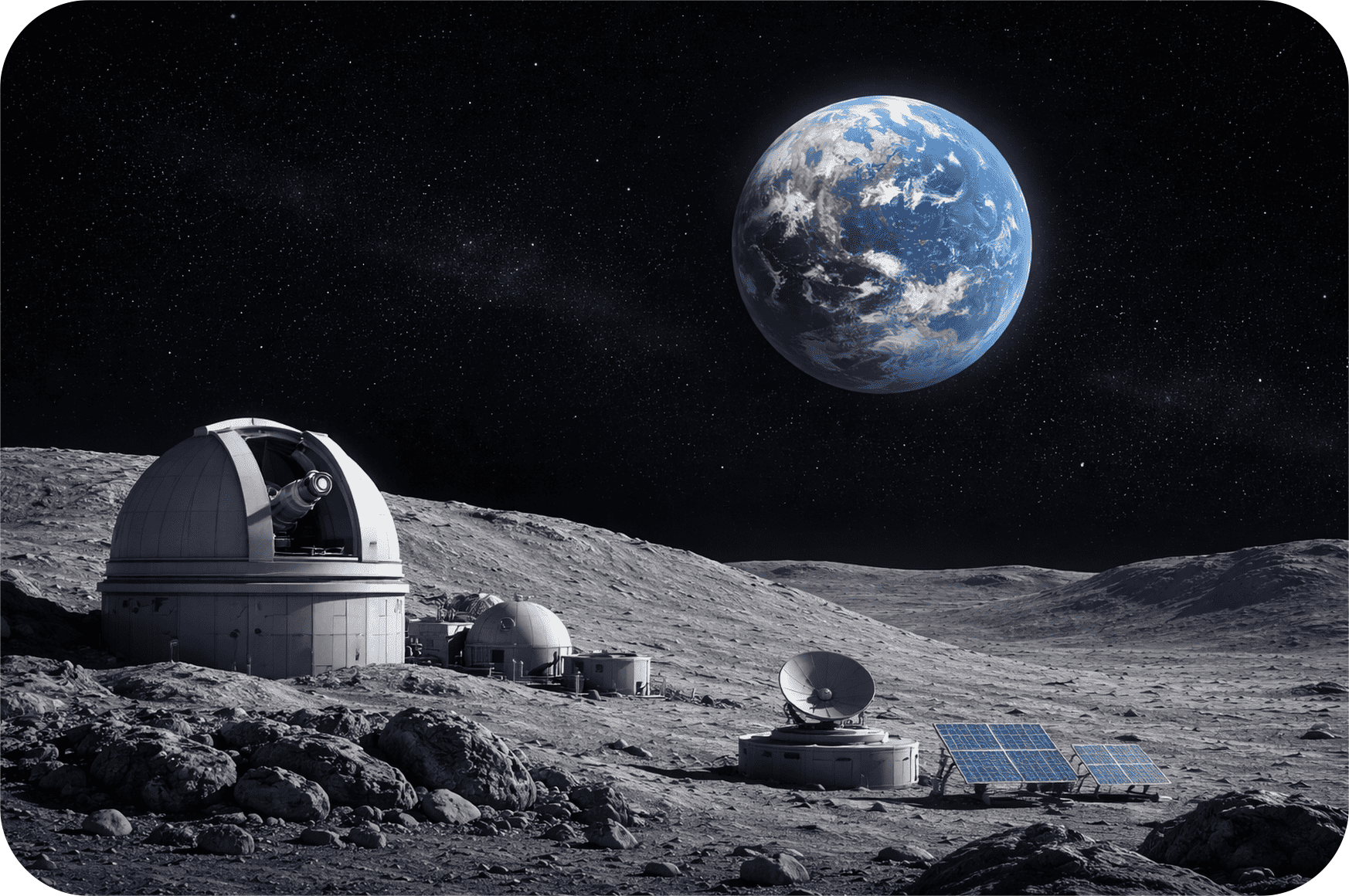
Sussex researchers just unveiled the game-changing power of Martian nanomaterials! Dr. Conor Boland, the materials physics maestro at Sussex, along with his team investigated the potential of nanomaterials. These materials are smaller than a human hair for Mars’s sustainable future. The same tech rocking the International Space Station and NASA’s playbook might be Mars’s ticket to eco-friendly living.
Search Results for: nasa
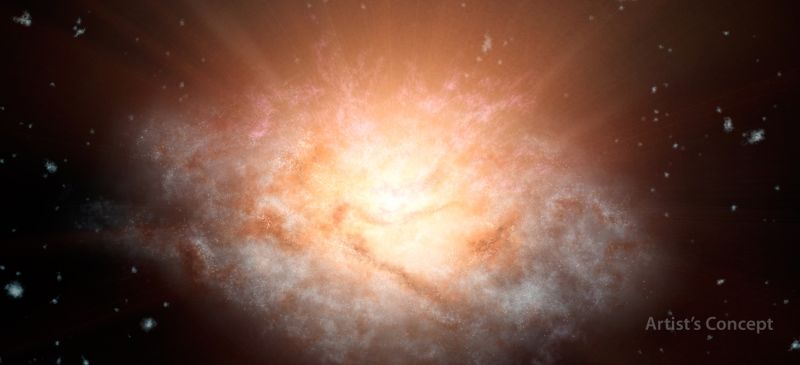
NASA’s WISE Spacecraft surfaces most lustrous Galaxy in Universe: Space Evolution
NASA’s WISE has surfaced a far-flung galaxy, which is supposed to be shining intensely with infrared light with an intensity of nearly 300 trillion suns. The extremely luminous infrared galaxy (ELIRGs) is one of the most luminous galaxies to be discovered till date. Space evolution Chao-Wei Tsai at NASA’s JPL claimed that they have been witnessing an enormous stage of evolution taking place across galaxy. They are assuming that the source of the intense light could be from the growing spout of the galaxy’s black hole. According to Professor Andrew…
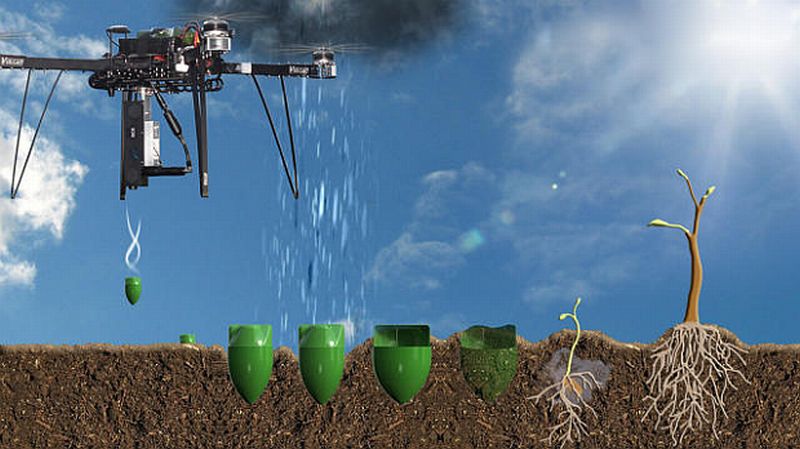
Ex-Nasa man to build Ecosystems with One Billion Trees using Drones: Streamlining Reforestation
In an effort to solve world climatic problem, Lauren Fletcher, the founder of a drone start-up called BioCarbon Engineering, is planning to employ drones for planting seedlings across forests.
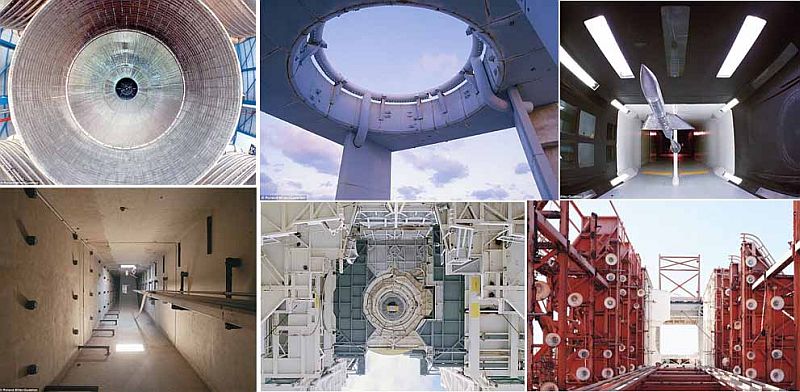
10 Photographs of NASA’s Abandoned Launch Sites: Space Program’s Forgotten History
Mr. Miller a passionate photographer journeyed across the US for a project, which required capturing stills from the abandoned NASA sites. He explored nearly 16 space launch sites including research facilities in Virginia, Florida, Alabama, Mississippi, Louisiana, Texas, Kansas, Utah, New Mexico, and California. We are indebted to Mr. Miller’s effort because of which we were able to see the photographs of various space program’s forgotten history. Many of these sites have been demolished or repurposed especially the facilities at Cape Canaveral. Since the sites are still under the jurisdiction…
A Beautiful Mind by Sylvia Nasar
Advanced mathematics coupled with severe mental illness, this is what the book, A Beautiful Mind is about. Sylvia Nasar professor of journalism at Columbia University, has done full justice in surfacing Nash’s life, his youth, college life, his work before and after he earned his doctorate and finally to his breakdown then illness and eventually his recovery. A Beautiful Mind juxtaposes sadness and the will to succeed despondency and depression.
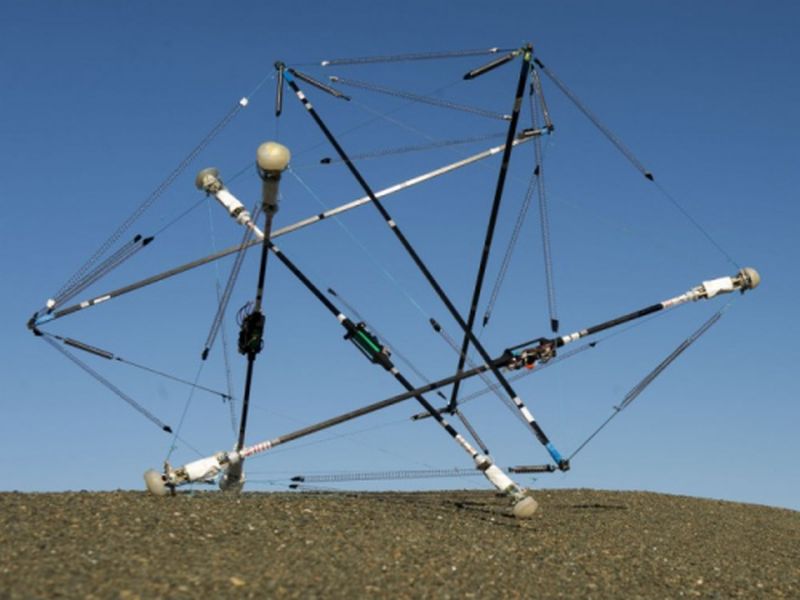
Super Ball Bot: NASA’s Latest Space Rover
The National Aeronautics and Space Administration (NASA) keep coming up with new era robots that can be sent to space for exploration. There are certain limitations in each design such as time taking research, clumsy motions and prone to damage. Therefore, NASA is trying to design a bot that can transform the traditional way robots perform work assigned to them here on our planet or in the space. They are aiming to build a Super Ball Bot, which looks more like a motor fitted in between a mesh of rods…
Growing Plants on Moon: NASA’s Next Big Project By 2015
Researchers and scientists are always curious to find life on other planets and tries to find whether other planets could ever sustain life. NASA is trying to find an answer to one such question and is planning to grow plants on moon, with the assistance of a robot, few cameras and thousands of schoolchildren. In 2015, a group of NASA scientist named as The Lunar Plant Growth Habitat Team, along with volunteers, contractors and students will be trying to bring life on other planet, which has been never attempted so…
Measuring Earth From the Moon
When was the first time you heard the term, “earthshine”? For me it was while I was reading Arthur C. Clarke’s Earthlight, and there was this passage where colonists on the Moon looked up at Earth hanging in their sky.
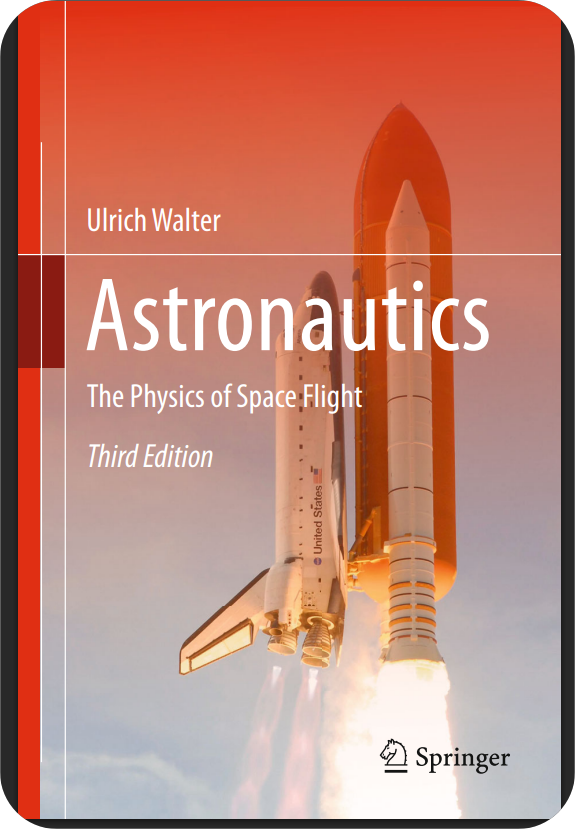
Book Review: Astronautics by Ulrich Walter
I’ve never been particularly good at math (at school) and when it comes to physics, the equations made me squint. And yet, I find myself completely captivated by the mechanics of how we fling those massive capsules filled with humans into space. And somehow bring them back alive.
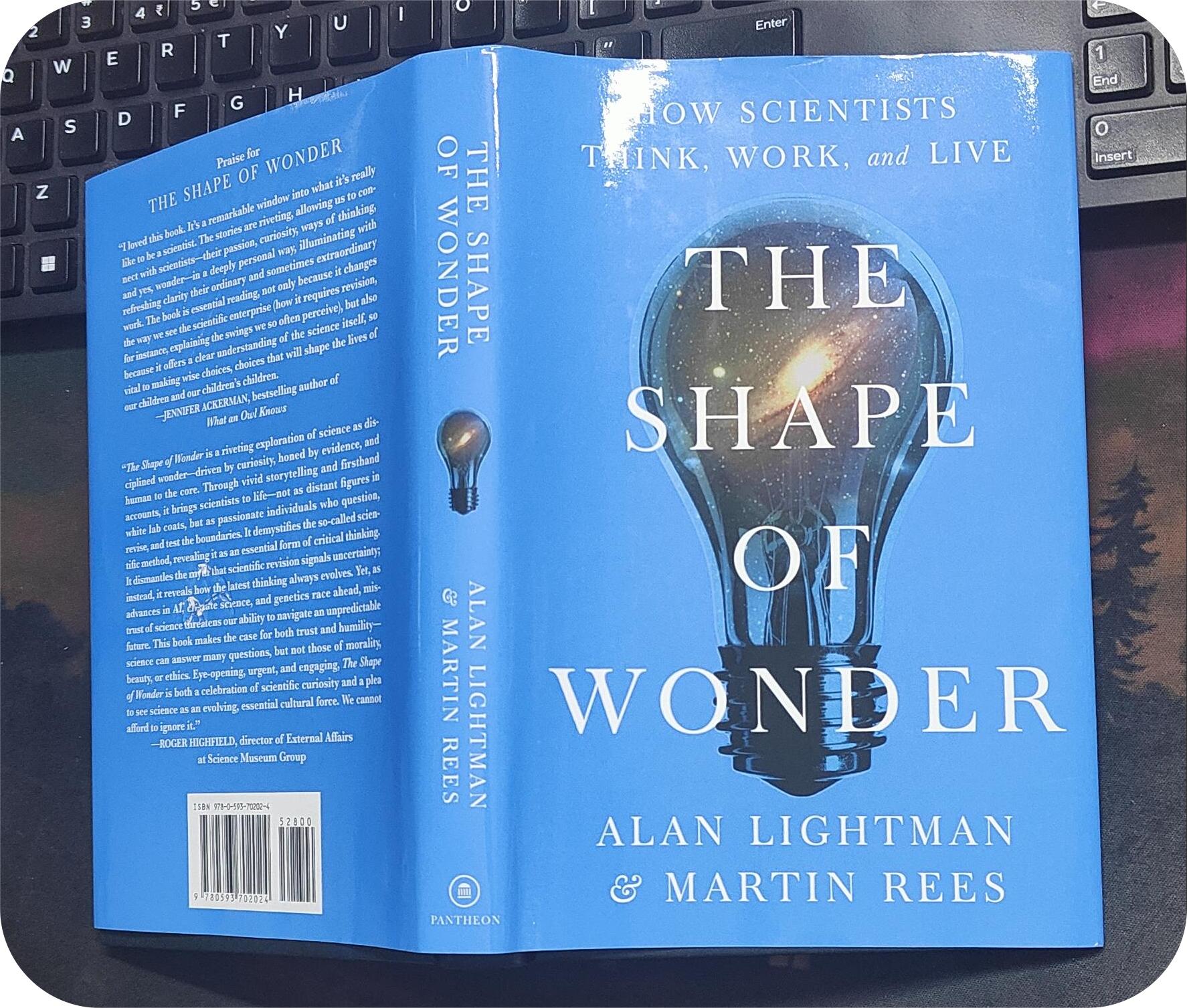
Book Review: The Shape of Wonder by Alan Lightman & Martin Rees
Scientists and researchers are my intellectual heroes. I’ve spent years reading their papers, following their work, running a science and tech website that tracks breakthrough research. And in between, I’ll admit, I used to wonder what they actually do when they’re not thinking about science.
Are We Really Seeing Dark Stars, or Just Strange Young Galaxies?
Formation of the first stars in the universe and the evolution of black holes have always been a mystery to astrophysicists. Now, observations from NASA’s James Webb Space Telescope (JWST) may offer a radical new answer to the existence of “dark stars”.
The Stories from Space You’ll Never See in a Documentary
I was looking for some interesting space missions but outside the usual Apollo and Hubble highlights. And then I came across this Reddit thread – interesting space missions – it pulls together a long list of probes that are genuinely fascinating but rarely talked about. The entire post has its roots in this thread.
Book Review: What If? by Randall Munroe
Let me start by confessing something, even after reading a lot about the science behind it, I probably couldn’t explain how entropy works in thermodynamics without sneaking a quick peek at Wikipedia. But I am, without apology, obsessed with questions – the weirder, the better.
Supernova Remnant in Nearby Galaxy Studied via Radio
Astronomers just took a fresh look at a supernova remnant called MC SNR J0519–6902 tucked away in the Large Magellanic Cloud, a small galaxy orbiting the Milky Way. It’s been known since the early ’80s, but there’s still a lot we don’t fully understand about it, especially when it comes to its age and how it’s evolved over time.
DMS and DMDS Hints in K2-18 b’s Atmosphere from JWST MIRI Data
Recent research paper published by the American Astronomical Society – New Constraints on DMS and DMDS in the Atmosphere of K2-18 b from JWST MIRI – digs into the atmosphere of K2-18 b, which is the exoplanet people have been calling a “Hycean World,” meaning it might have a hydrogen-rich atmosphere and liquid water oceans. This study is based on data from JWST’s MIRI (Mid-Infrared Instrument), and it’s the first time we’ve gotten a mid-infrared transmission spectrum of a habitable-zone exoplanet like this.