Magnetic Fields in Electric and Hybrid Cars Involve No Threat: Cars under Safety Margin

Majority welcomed the vehicular era when electric and hybrid automobiles took to the center stage. While there were still others who were doubtful regarding the dangers that might affect the passengers including drivers imposed by the possibly generated electromagnetic fields. However, the increasing number of electric car ownership has thwarted this idea. Seven various electric cars, including hydrogen, gasoline and diesel powered cars, were put under survey by SINTEF, Norway and they discovered that exposure of the electromagnetic radiation was less than 20%. A limit, which was suggested by ICNIRP,…

Read More

Human Brain Simulated on Circuit Board: Mimicking Neurons and Synapses

Inspired by human brain, bioengineers at Stanford University have fabricated microchips that are relatively faster and energy-efficient where power consumption of PC is about 40k times more. Researchers envision that this would lead a novel way of understanding human brain as well as might take robotics especially prosthetics to the next level. Matching the Brain For an efficient mimicking of neurons and synapses, the team designed 16 Neurocore chips. Jointly these 16 chips were able to simulate about 1m neurons and billions of synaptic connections.

Read More

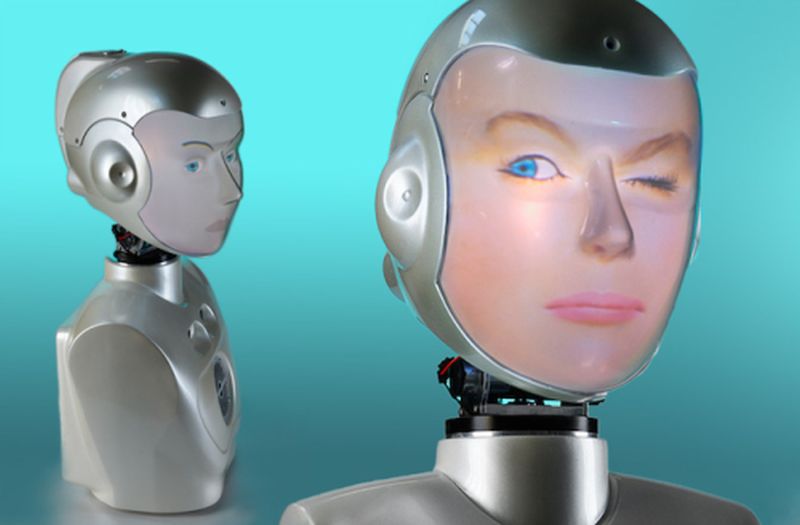
Humanoid: EMIEW 2 Can Mimic Human Navigation Effortlessly

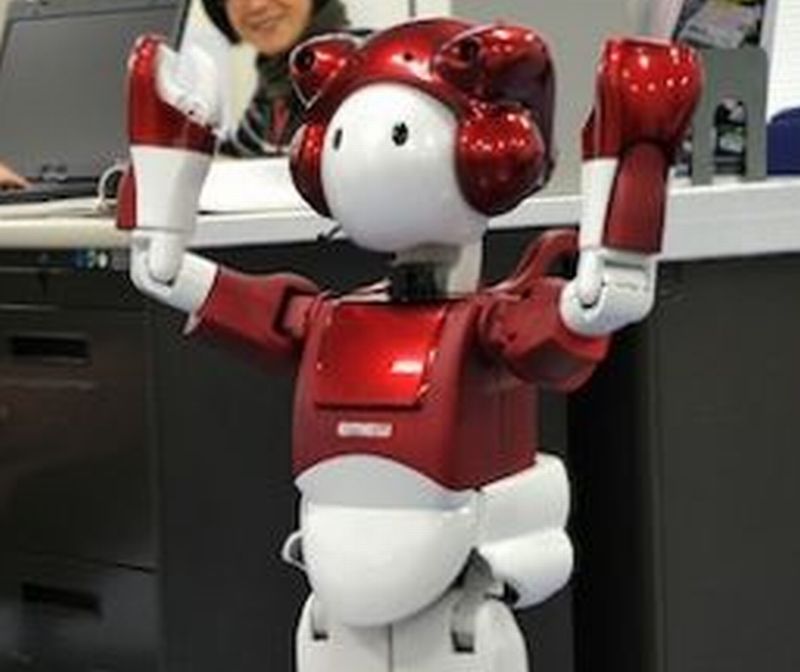
Hitachi has introduced its new and improved EMIEW 2 humanoid robot. The predecessor of this robot, EMIEW (Excellent Mobility and Interactive Existence as Workmate), was presented in the 2007 as a service robot aided with multiple communication functions which could safely perform services for humans in an office. The impressive looking EMIEW2 robot measures 80 centimeters in height and 14 kilograms in weight and moves at a high speed of 6km/hour. For the mobility purpose, the robot features a unique system of wheels and legs, which allows it to climb…

Read More

Rubberized Asphalt Road Material: Recycled Roadways

Old or damaged tires are the major source of waste and concern for environmentalists. As per Environmental Protection Agency, America alone discards approximately 300 millions of waste tires annually. Such a huge volume of waste, which is extremely durable, is difficult to manage. The discarded tires are also not very suitable for landfills and often illegally dumped tires turn into breeding grounds for germ carrying mosquitoes and rodents. Piles of tires if caught fire can cause air and ground pollution. Therefore, it is required to recycle the discarded tires in…

Read More

ASIMO the Next-Generation Humanoid: A Total Knockout

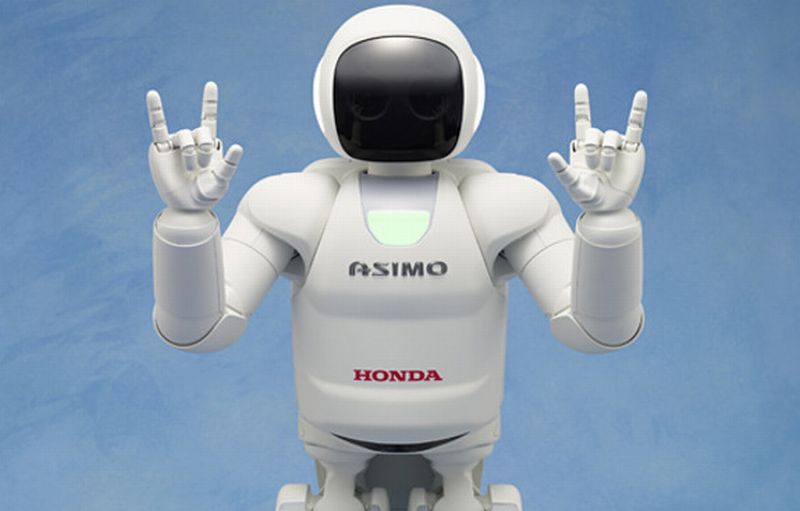
HONDA unveiled its first ASIMO robot in the year 2000. ASIMO or Advanced Step in Innovative Mobility was designed to help people who lack mobility and has come a long way since then. The latest prototype of ASIMO, HONDA humanoid robot was displayed  at the International Auto Show in New York and was seen walking, running quickly and even climbing stairs with ease. Additionally, it can dance, kicks the ball, even jump and can handle uneven surfaces too.  

Read More

Face-on Alignment More Efficient in Generating Power: Organic Solar Cell Technology

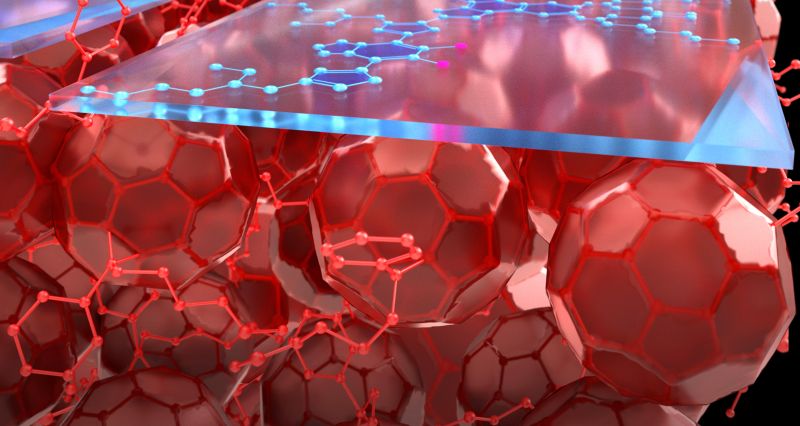
In an attempt to study the viability of organic solar cell technology, researchers from North Carolina State University and UNC-Chapel Hill have discovered that efficiency of energy transference within three-dimensional organic solar cells increases relatively when there is face-to-face alignment between the donor molecules and the acceptor molecules. Exciton or the concentration of energy formed by excited particle upon absorbing by the material is the phenomenon upon which efficiency of organic solar cells is dependent. Within a solar cell, easier the exciton between the donor and acceptor molecules, higher will…

Read More

Squarepusher and Z-Machines: Music Performing System

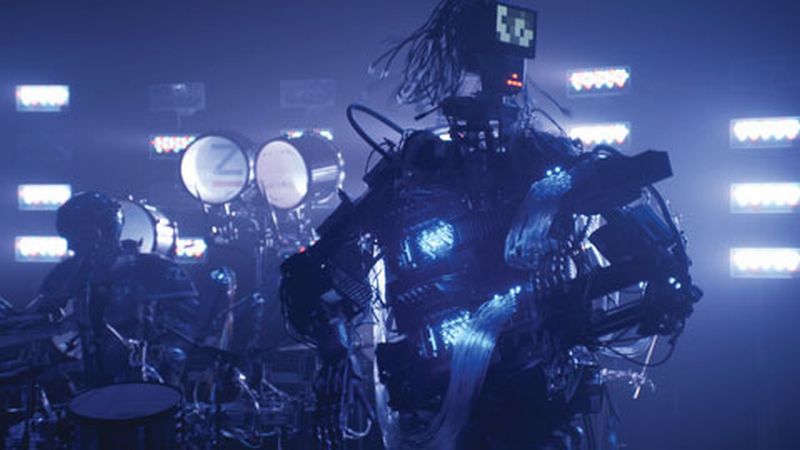
Squarepusher, UK based recording artist famous for the live instrumental playing and digital signal processing has again hit the music world but this time, in a collaborative effort with the Z-Machines, Japan’s party robot band. The evolved band has come up with a 78-fingered guitarist stringing out with 12 picks and a dreadlocked robot drummer. The effort is to explode the stereotypical myth, says Squarepusher where people think human touch or emotion is necessary to churn out the melody, which goes into the music. He wanted to prove that machines…

Read More

Biomimicry: Insect-Inspired Micro-Robots For Stealthy Surveillance

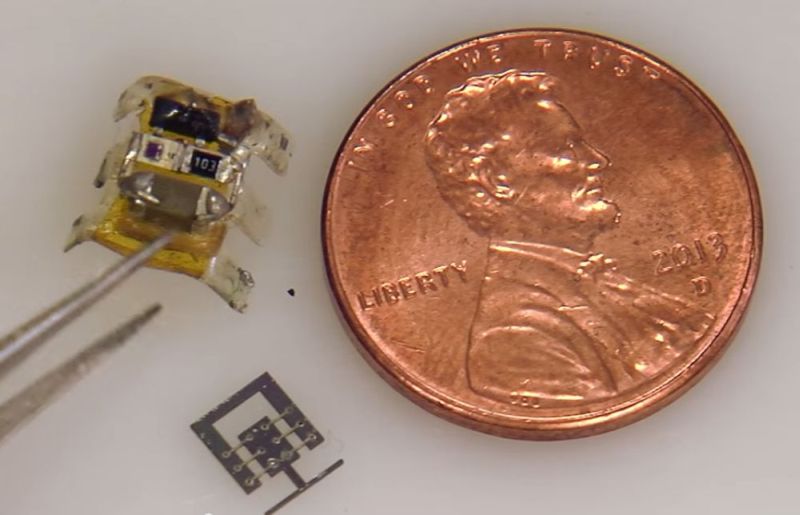
Drawing inspiration from tiny insects, researchers at the University of Maryland, are developing the world’s tiniest mobile robot, suitably named as micro robots. These tiny robots are designed to take the long distance leap just as bugs do, with the aim of moving quickly or jump over any obstacle with ease in extremely rough terrain. Sarah Bergbreiter leading the research and other teammates from UM, envision the micro robots helping rescue teams in searching victims by quickly crawling through the rubble, at the disaster site, where humans and other traditional…

Read More

Medical Droid to Perform Surgeries Inside the Human Body: New Endoscopic System

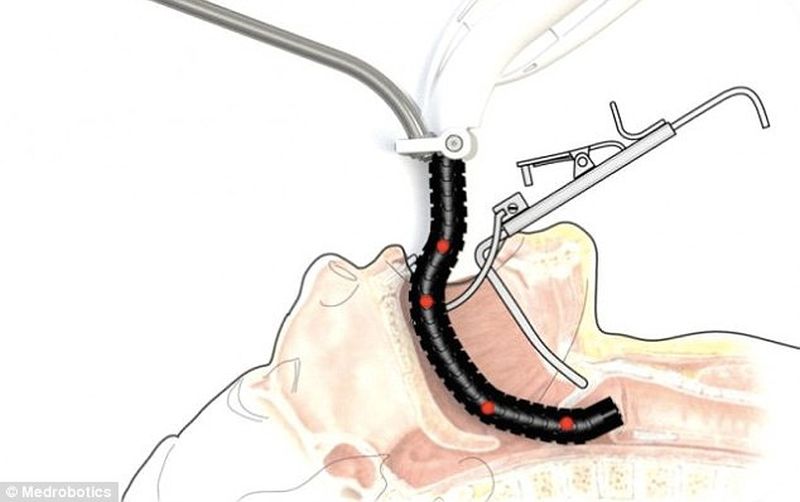
Robot assisted surgeries are not new and is being widely used by the surgeons to perform minimal invasive surgeries with great precision. To further extend the benefits of robot assisted minimally invasive surgery such as quicker recovery and shorter hospital stay, Flex system has been designed. This will allow more patients to undergo minimal invasive surgeries, thus cutting down the waiting time in hospitals. 

Read More

10 Festo Robots Based on Their Biological Models: Biomimicry

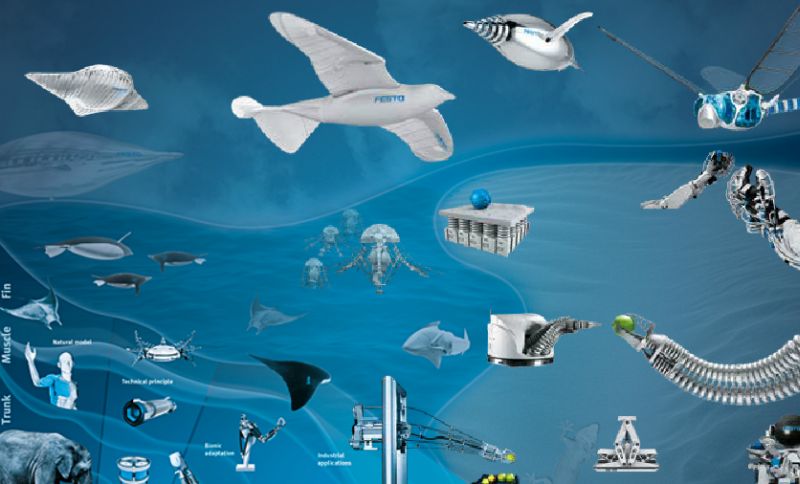
Festo, a Germany based industrial control and automation company has been into research and development of bionics since more than two decades. It collaborated with renowned universities, institutes, development companies and private inventors across the globe and launched the Bionic Learning Network during 2006. And since then it has been delving into the subject and bringing about the best of biomimicry. Every time their new project gets into air, they prove how they are able to merge industrial automation, and combining electronics with pneumatics in new and efficient ways. Here…

Read More

New Laser Technology Allows for Controlling Lightning Strikes

Researchers at the University of Arizona and the University of Central Florida have created a technology that has an ability of beaming high-intensity lasers all the way through the layers of atmosphere hence crossing the limitations that it had before. The research is still in its testing phase but the optical scientists envision that it might steer lightning strikes away from human inhabited areas and buildings. Extending the laser beam Lasers undergo diffraction because of which it fades away after beaming some feet only. This phenomenon does not allow it…

Read More

Bioengineered Self Healing Muscle, Successfully Grown in Laboratory

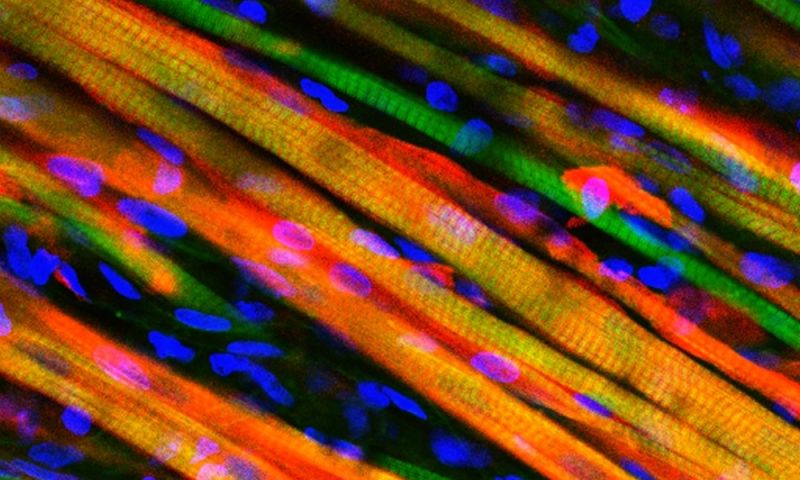
Biomedical engineers have finally achieved success in growing skeletal muscle under a laboratory conditions. These laboratory grown muscles, similar to real muscle are capable of contracting and expanding quickly. Most important breakthrough in the research is that the muscles when implanted in mice were capable of healing itself from any injuries, which was not possible till now.

Read More

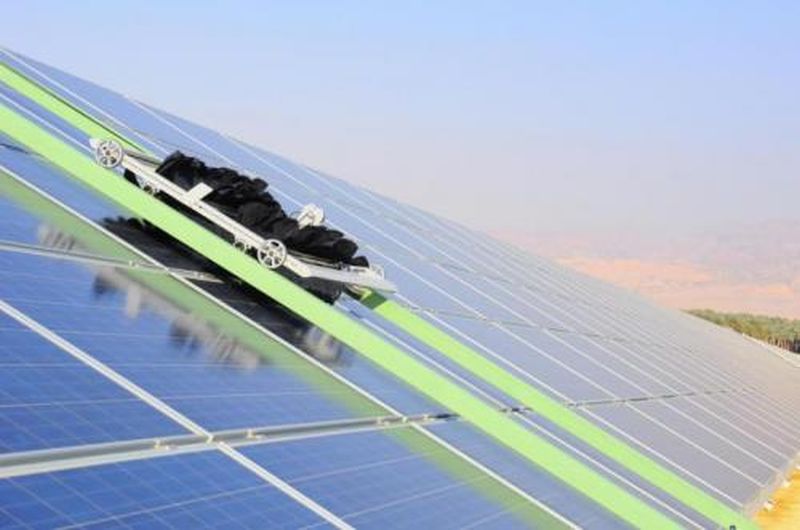
Water Free Robotic Cleaning System Takes Over The Ketura Sun Solar Park

The increasing consumption of electricity, due to rise in population and limited availability of natural resources, countries have been focusing on generating energy from alternative sources. Sun energy in one among them and is widely preferreddue to its long hours availability at no cost at all. Though its conversion technology involves crystalline panels and other components, the panels require a regular look after to sustain effectively for years and decades. The large capacity solar plants consisting huge number of these panels suffer some difficulty in smooth operations as dust, sand…

Read More

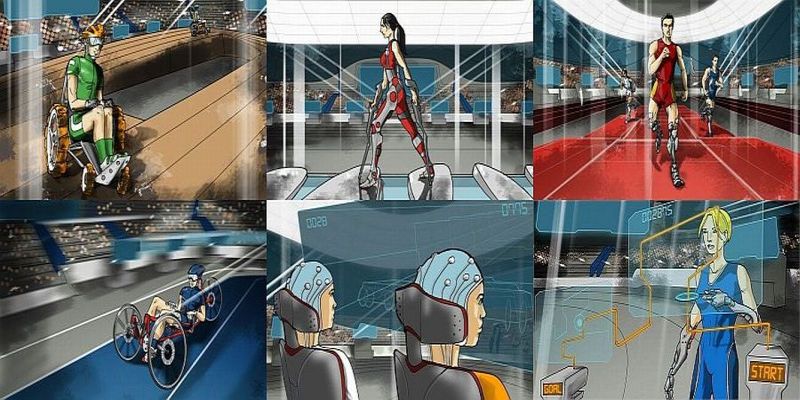
Cybathlon 2016: The Championship for Robot-Assisted Parathletes

ETH Zurich in collaboration with the Swiss National Competence Center of Research in Robotics have attempted to take Paralympics to the next level by coalescing the conventional prosthetics with robotics. There has already been an incremental improvement with the equipments being employed by the players in the Paralympic Games including but not limited to prosthetic limbs and swimsuits. If we talk about the props like bows & arrows, cycles, wheels, we would agree that taking these equipments to the higher level of proficiency is not a difficult job than enhancing…

Read More