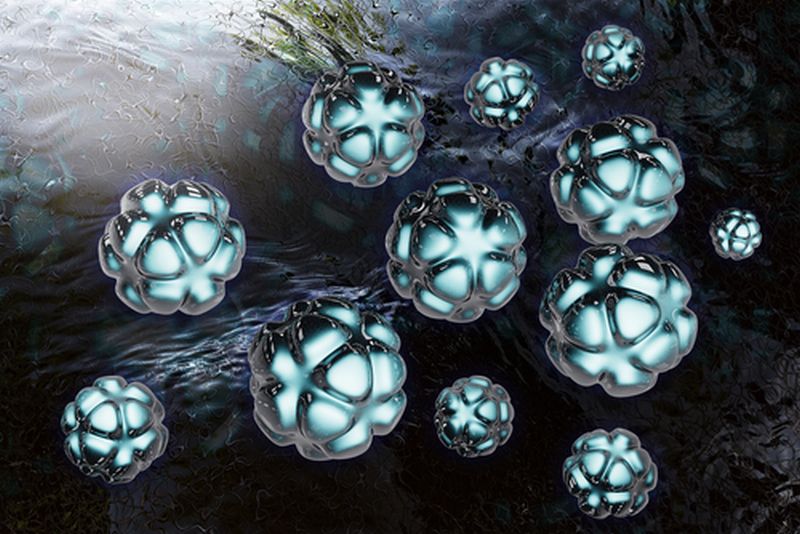
Scientists always dig deeper into the functioning of nature in order for their better understandings. At times, these trials and errors have given rise to serendipity or accidental discoveries in science, amongst others, recent being how sliding saltwater over graphene generated electricity. While at other times, these experiments go beyond the natural order of workings even at the miniscule level.
Read MoreTag: innovation
Farm Bots Will Milk the Cows: Robotics in the Ranch
Robots are quickly making entry into almost all aspects of human work from household to industries, these machines are just everywhere making work easier and faster too. They have also entered in dairy farms, which were so far managed by humans.
Read MorePredictive Power of Brain: Similar Activity Patterns are Exhibited amid Speakers and Listeners
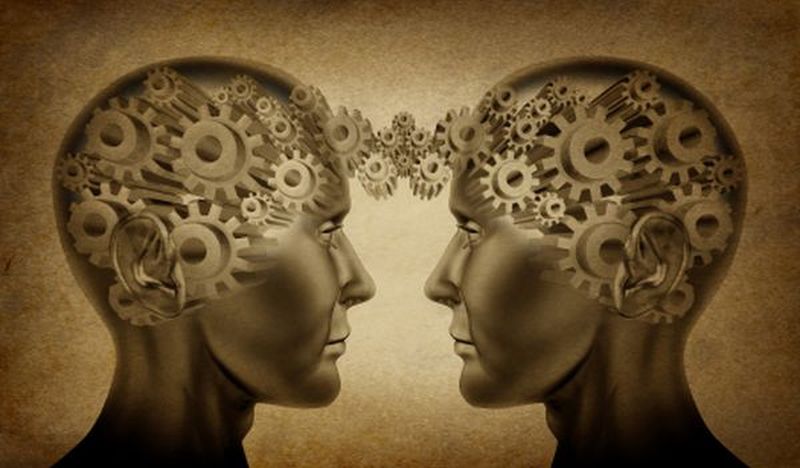
At times, won’t we experience that while conversing with someone, the other person just say what were thinking or were about to spill out the same topic. And then we mutter, “what a coincidence” or as I say, “great minds thing alike” 🙂 well, this actually is not the case, neuroscientists have discovered new findings about the role of the brain during a communication. They say that people often predict what the speaker is about to say, because the brain activity of the listener is similar to the speaker.
Read MoreHeatmaps Reveal Correlation Between Emotions and Body Sensations
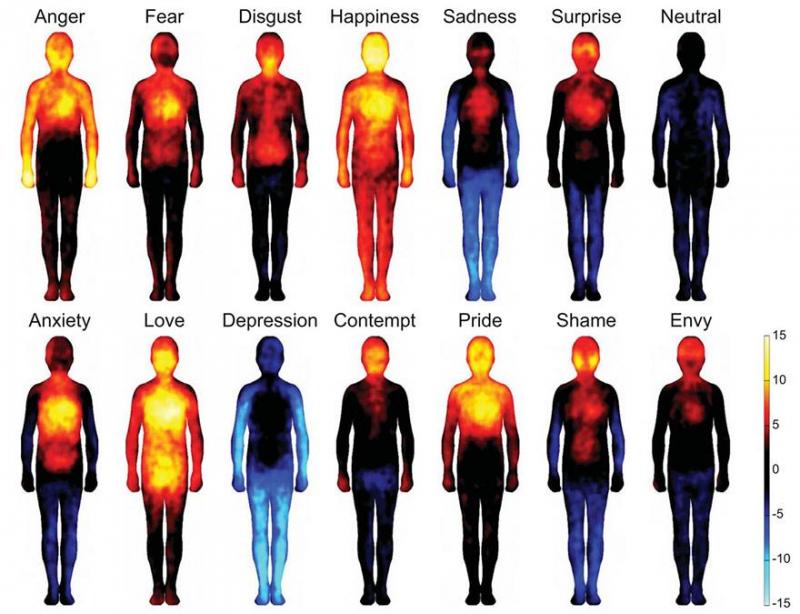
Science has proven times and times again that emotions cannot be separated from our physical well-being. Various emotional conditions play an important role in our biology. Brain activity and hormones and examples of things that are affected by one’s various emotional states. A recent study demonstrated that different emotions are judged to correlate with different body parts. The study, published in the Proceedings of the National Academy of Science, was conducted by a team of bio-medical engineers, with 700 participants from three countries, those being Finland, Sweden and Taiwan. The…
Read MoreX-Ray Triggered Nanoparticle Photosensitizer: Photodynamic Therapy
While working upon new security-related radiation detection, researchers at the University of Texas, Arlington discovered an advance in photodynamic cancer therapy. Wei Chen, professor of physics at the UT Arlington, noticed an odd luminescence emitted by copper-cysteamine (Cu-Cy) nanoparticles when while working on an experiment where he was exposing the nanoparticles to X-rays. Upon further investigation, he found out that the luminescence was the byproduct of lost energy that the particles were diffusing. The same byproduct is also utilized in photodynamic cancer therapy to destroy cancer cells.
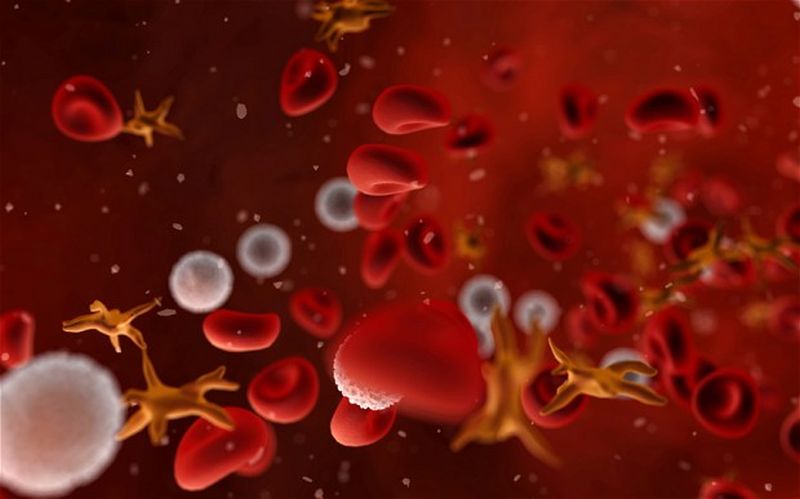
Read MoreProduction of Blood Now on an Industrial Level: Artificial Blood from Stem Cells
The advancement in science and technology have made possible for humans to tackle life-threatening diseases to highly intricate surgeries. Medical science has reached a mark where it has potential to create artificial organs for transplant, saving millions of lives. And now researchers have discovered a way to create human blood, using stem cells.
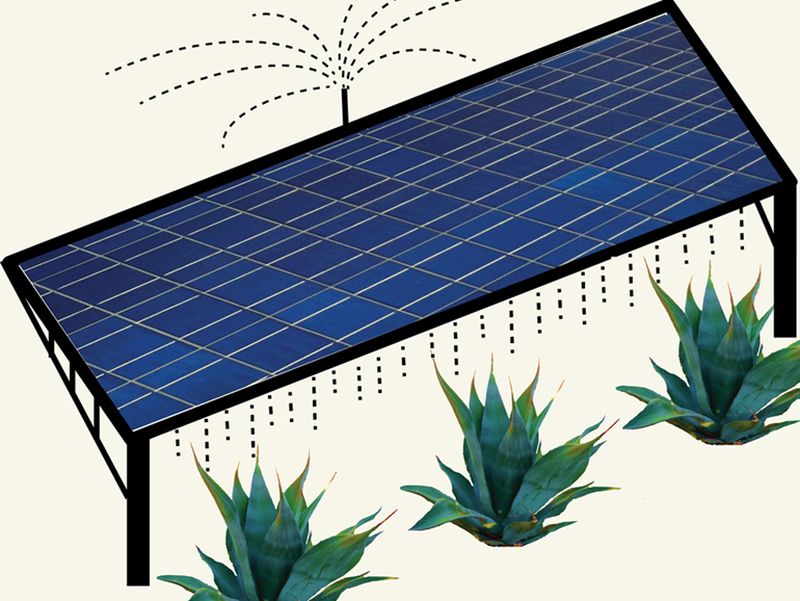
Read MorePhotovoltaic Panels and Agave Cultivation: A New Model for Solar Farms
“Agrivoltaics” is relatively a new concept that involves cultivating plants like agave in the spaces between and beneath the photovoltaic panels which allow solar plants to use sunlight for electricity generation and also providing crops for biofuels. It offers optimal solutions for problems that are associated with large solar plants. The solar plants located in the arid regions require constant cleaning of its panels from dust, sand particles or bird droppings. The process of cleaning requires water, which apart from cleaning the panels, dampen the soil to suppress the dust…
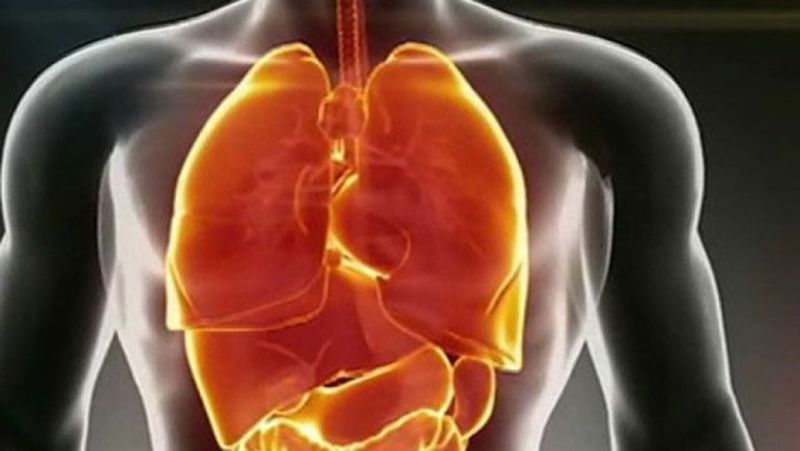
Read MoreHuman Heart with 3-D Printer: A Blend of Natural and Artificial
In recent years, 3D bio printing technology is being widely used by biotechnology firms and academia in tissue engineering applications with the help of inkjet techniques to create organs and other body parts. Using the innovative 3D bio printing technology, researchers have already created functional splints, valves and a human ear and are now trying to create a functional human heart for transplant, employing the patient’s cells. However, it would take years before one of these 3D printed hearts can be actually implanted in the human body.
Read MoreLiving Computers inside Alive Cockroaches to Deliver Drugs: DNA Installed Nano-Robots
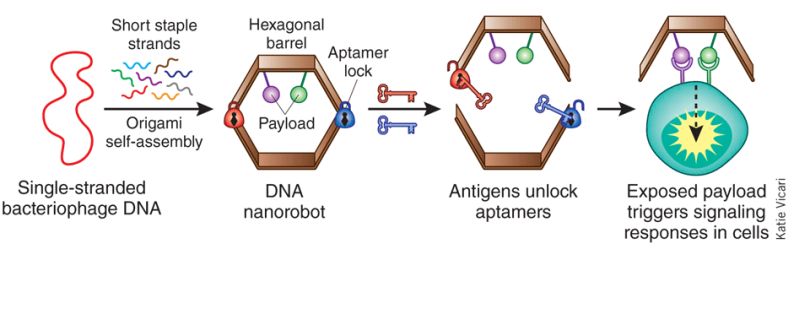
In an attempt to study complex programs and to identify and cure certain diseases, researchers at the Wyss Institute at Harvard University and Bar Ilan University in Israel, have come out with a breakthrough that involves DNA-based nanobots. Researchers were able to embed these nanobots into a living cockroach. These origami robots bear fluorescent markers that allow the scientists to predict about their location within the insect. By interacting with each other, these nanobots were seen performing simple logical operations as well claimed the researchers.
Read MoreSpare your Health: Sleep Tight
The Hiffington post has recently gathered evidence from a growing body of literature which offers insight into what happens to one’s body when missing out on the usually recommended seven to nine hours of sleep per night. Frightening results have been published in the Huffington’s piece indicating that sleep is not just good for your beauty. Although the term “beauty sleep” is proven correct scientifically, it is merely one of the various result (and possibly one of the least significant) in comparison to everything else one can develop due to…
Read MoreSquarepusher and Z-Machines: Music Performing System
Squarepusher, UK based recording artist famous for the live instrumental playing and digital signal processing has again hit the music world but this time, in a collaborative effort with the Z-Machines, Japan’s party robot band. The evolved band has come up with a 78-fingered guitarist stringing out with 12 picks and a dreadlocked robot drummer. The effort is to explode the stereotypical myth, says Squarepusher where people think human touch or emotion is necessary to churn out the melody, which goes into the music. He wanted to prove that machines…
Read MoreMedical Droid to Perform Surgeries Inside the Human Body: New Endoscopic System
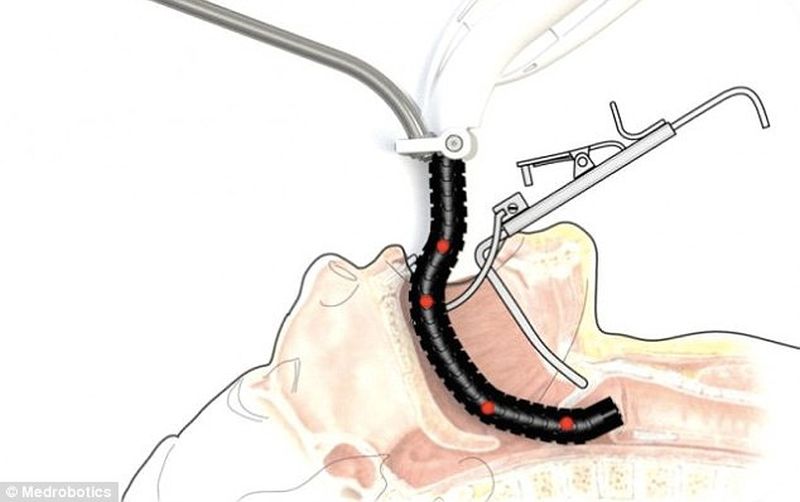
Robot assisted surgeries are not new and is being widely used by the surgeons to perform minimal invasive surgeries with great precision. To further extend the benefits of robot assisted minimally invasive surgery such as quicker recovery and shorter hospital stay, Flex system has been designed. This will allow more patients to undergo minimal invasive surgeries, thus cutting down the waiting time in hospitals.
Read MoreAnti-Glare Surface based on Moth Eyeballs: Futuristic Solar Panels
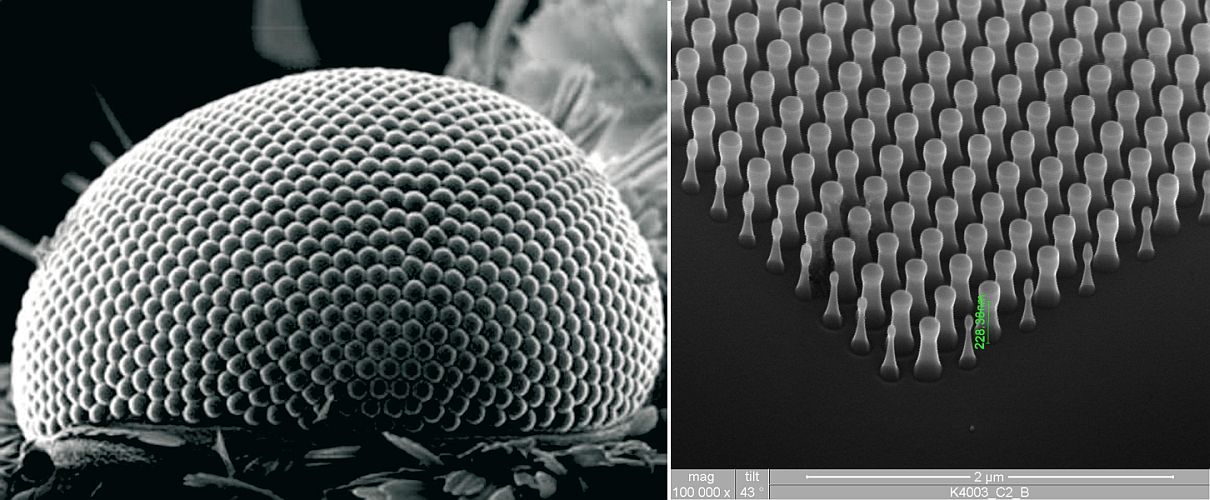
Researchers observed that the moth eyeball consisted of numerous minute cones arranged in a pattern that diminish glare. This anti reflective property provides the moth with the ability to see during the night and at the same time makes them less visible to the predators around. The team reproduced the pattern on a flexible film and applied a thin layer of gold that could be used to coat various products as solar panels and electronic displays. They also discovered that the material so developed could also repel moisture and dust…
Read MoreEveryday Health Monitoring Gets Easy with Stick on Electronic Patches
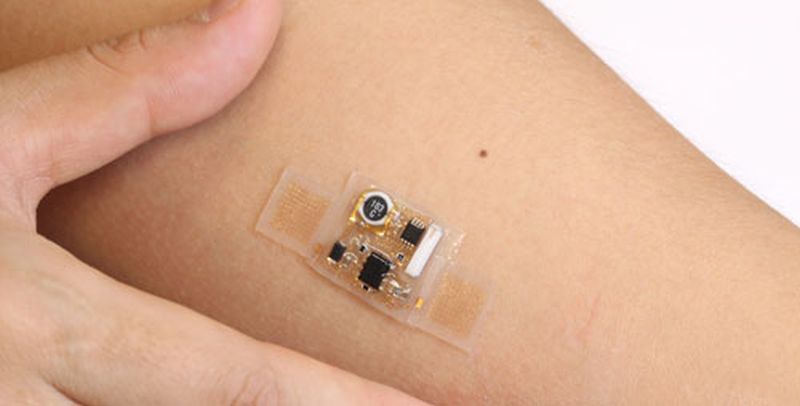
After biomedical engineers from South Korea, who designed a dermal patch that monitor patient’s health and release drug under the skin, scientists from the University of Illinois at Urbana-Champaign and Northwestern University have come up with another revolutionary dermal, electronic patch that looks like a tattoo.
Read MorePlaster to Release Medicine Below the Skin
A team of medical engineers from South Korean have developed a plaster which, when applied to the patient’s skin similar to regular band aids, discharge medicine below the skin. But unlike the normal band aid used for minor cuts and bruises, the plaster engages more complex and advanced technology, which enables it to monitor the activities of the muscle and accordingly discharges the required quantity of medicine and even decide when it is needed to stop.
Read More