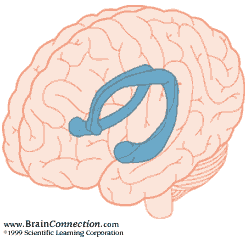
While logical explanation would refer certain everyday behaviours to discipline and upbringing, scientists have managed to associate such “discipline” to the brain’s ability to function properly. In a recent research, scientists lead by Dr. Mathias Pessiglione suggested that a person’s refusal of an immediate small reward in order to receive a delayed one that is more valuable is a process that occurs in the hippocampus- the part of limbic system responsible for consolidating information from short-term memory to long-term memory.*1 “Indeed, this structure has long been considered as essential for…
Read MoreTag: neuroscience
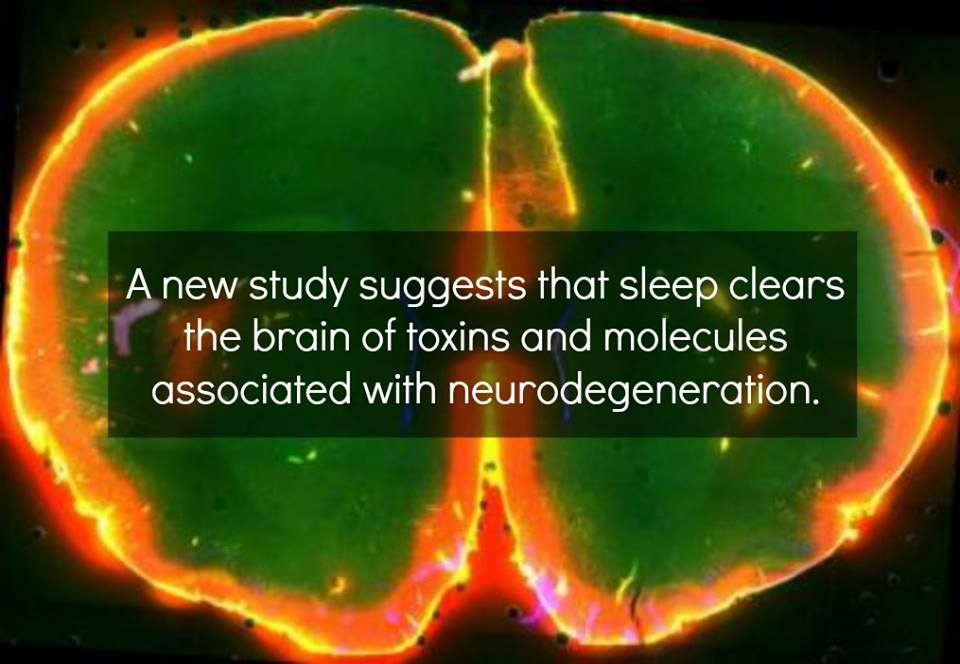
Get Brainwashed, Get Some Sleep
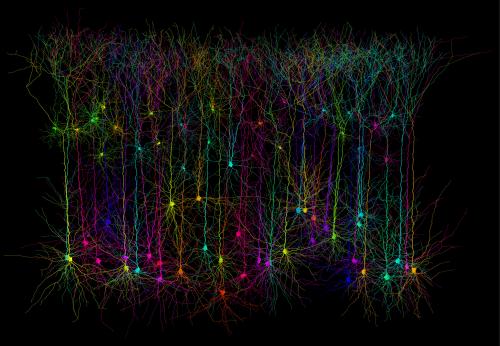
A recent study has managed to unlock an important mystery of brain chemistry during sleep. The said study published in Science Magazine found that the brain cleans itself from toxins while a person sleeps. The research team suggested that inability to get rid of toxins may be related to certain brain disorders.
Read MoreThe Mental Workspace Discovered
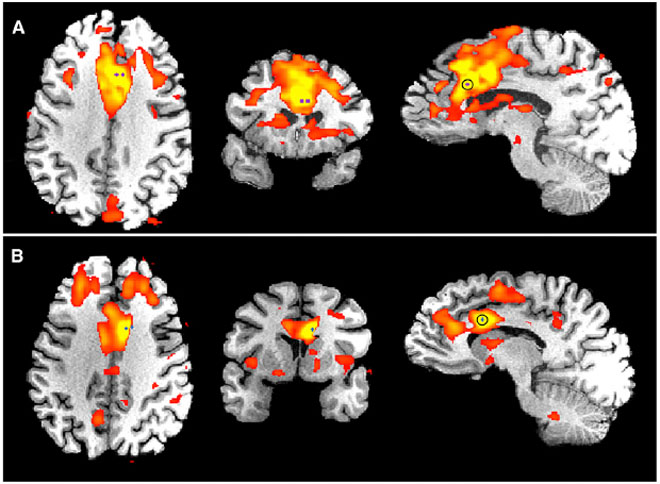
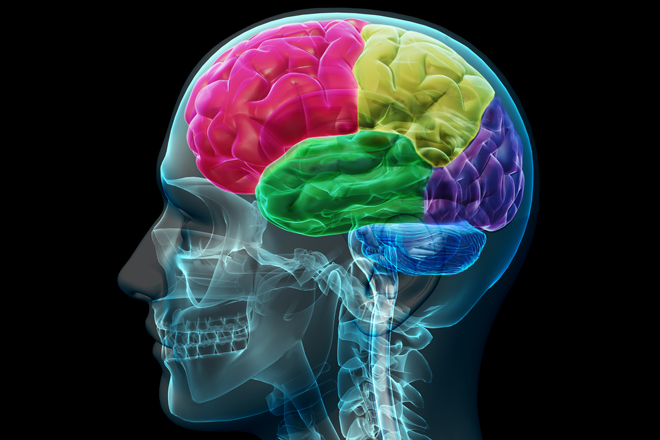
Do you have a big imagination? Did you have an imaginary friend as a child? Or are you almost always daydreaming? If you ever wondered about where you get all those ideas/imagery from, then wonder no more. Your question has been recently answered by a group of scientists. In their paper, lead author Alex Schlegel and his colleagues explain that the previously theorized widespread neural network required for human imagination is actually real. Schlegel and his team found evidence for what they called a “mental workspace”. The study was done…
Read MoreIs Your Limbic System Acting Out?
We have all had our days when one wrong word by an unfortunate converser turns our alarms on, causing an adult-life simulation of a temper tantrum. Neuroscientists believe that we can partially blame our limbic system for this. As complex as it is as a neurological system, the Limbic system is considered to be the “primitive” brain. Not because of its’ structure, but because of its’ function. The limbic system is called “primitive” for its role in producing the age-old fight, flight or fright reactions. In other words, it regulates…
Read More